From Huisman and de By (2009): “A GIS is. a computer-based system that provides the following four sets of capabilities to handle georeferenced data:
- Data capture and preparation
- Data management (storage and maintence too)
- Data manipulation and analysis
- Data presentation
- Hardware (other than the computer)
- data storage (lots of it; every server with every bit of data, every picture, every post, is belching carbon around the world, be wise)
- media reader (CD’s and DVD’s, formerly 9-track tapes for satellite data)
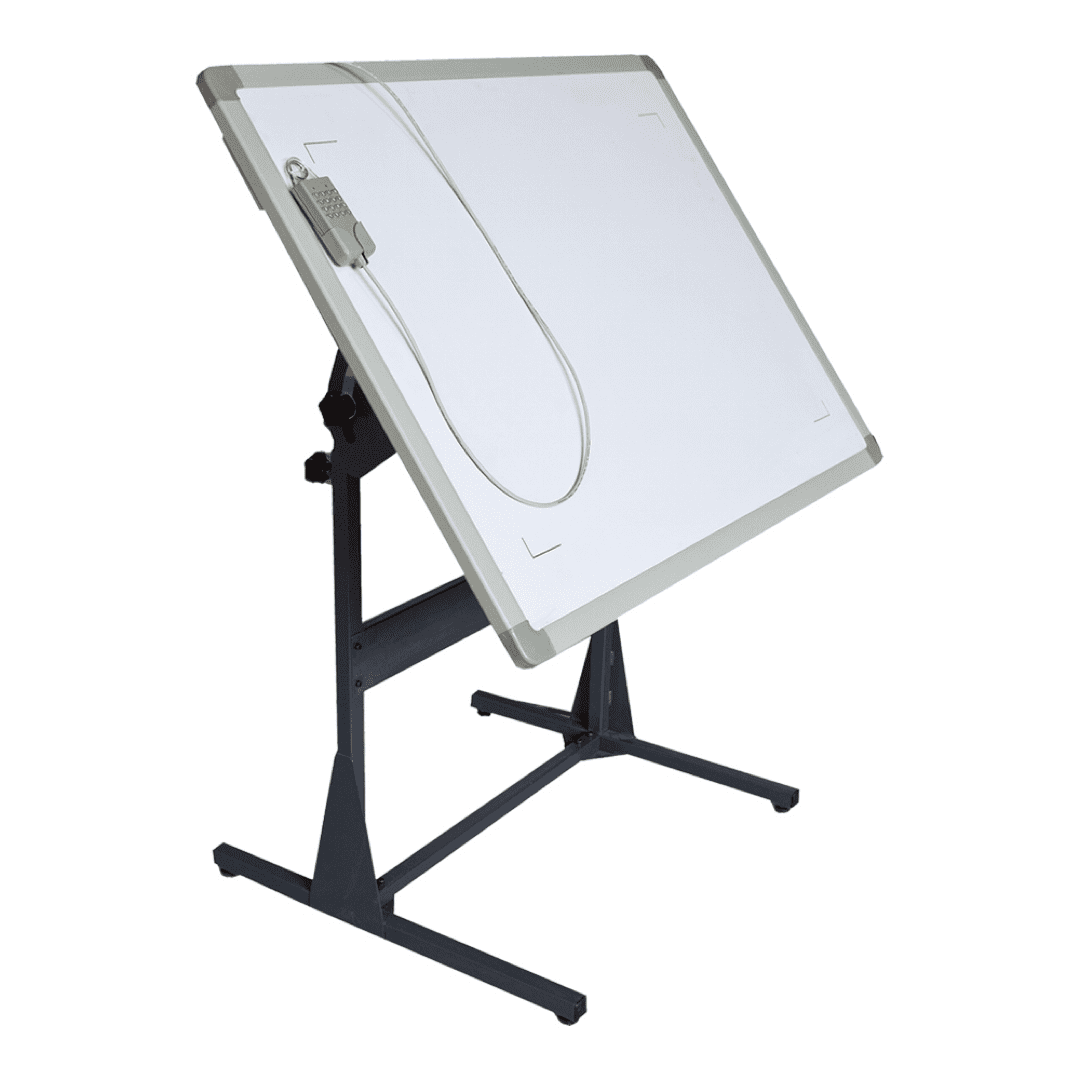
- digitizer (but increasingly, people get their data from large-scale scanners, which we now have in the library and geology)
- scanners, which can be regular size or large-format
…and the software that turns the colors into lines (roads) and/or filled polygons (geologic map units) - large-format printers (one in Geology, one in the Library)
- Global Positioning System (GPS) receivers to collect spatially aware field data (locations, photos, etc)
- your phone or tablet for data input where you are the “mouse” clicking around in the field.
- drones! “Why GIS Mapping with drones is the way of the future.”
- Software
- the core GIS (which may be a series of components to do various analyses and manipulations like Remote Sensing)
- AddOns or PlugIns written for the core: e.g., modeling software (Mike McGlue ’99 used an EPA program that ran on top of Arc called BASINS to model water quality in Rockbridge County; Chantal Iosso, ’20 modeled floods on the Maury with and without the dam at Jordans Point using GIS data and HEC GeoRAS from the Corps of Engineers)
- Map Servers
- ArcGIS online (lots of ESRI and community data, and also lots of junk to wade through)
- QGIS Cloud
- databases access through “web services” at places like the US Geological Survey or NOAA so that you can use water quality data or weather radar directly in your GIS project
A key componenet of any GIS is that the analysis performed using the GIS. When this analysis is done with the goal of approximating the real world, we call this modelling. Modeling is the process of producing an abstraction of the real world so that some part of it can be more easily handled (Huisman & de By 2009, pp. 63).
Edited by NDB January 13, 2025